keskiviikko 20. toukokuuta 2015

What causes cancer? - Mikä aiheuttaa syövän?

About Dr. Tullio Simoncini


Tullio
 Simoncini is a roman doctor specialising in oncology, diabetology and in metabolic disorders. Dr. Tullio Simoncini has a strong opposition to any type of intellectual conformity, which is often based on suppositions without foundation or worse, on lies and falsities.

Dr. Simoncini discovered that the cause of this terrible illness is a fungus and tried hard to persuade scientists how wrong are the actual theories on cancer. His therapy based on the strongest antifungal substance, sodium bicarbonate, is harmless and very effective and should be adopted all over the world.
In 1996 Dr. Simoncini received his Ph.D. in Philosophy from La Sapienza University. From 2000 to 2004 he devoted his focus to Oncology, also at La Sapienza University.
Throughout his medical career, Dr. Simoncini pursued his personal theories regarding cancer. His first terminal patient, who went into remission in 1981, is still alive and well today.// http://www.curenaturalicancro.com/en/whois-dr-tullio-simoncini

Sodium bicarbonate treatment  


My methods have cured people for 20 years. Many of my patients recovered completely from cancer, even in cases where official oncology had given up.
The best way to try to eliminate a tumour is to bring it into contact with sodium bicarbonate, as closely as possible, i.e. using oral administration for the digestive tract, enemas for the rectum, douching for the vagina and uterus, intravenous injection for the lung and the brain, and inhalation for the upper airways. Breasts, lymph nodes and subcutaneous lumps can be treated with local perfusions.
The internal organs can be treated with sodium bicarbonate by locating suitable catheters in the arteries (of the liver, pancreas, prostate, and limbs) or in the cavities (of the pleura or peritoneum).
It is important to treat each type of cancer with the right dosage. For a phleboclysis, 500 cc at 5% or 8,4% is required; for external administrations it is enough to taste if the solution is salty. Sometimes it is judicious to combine different administrations. For each treatment, take into consideration that tumour colonies regress between the third and fourth day and collapse between the fourth and fifth, so that a six day administration is sufficient.
A complete, effective cycle is made up of six treatment days on, and six days off, repeated four times. The most important side effects of this care system are thirst and weakness.

Skin cancer and psoriasis


For
 skin cancer, a 7% iodine tincture should be spread on the affected area, 20-30 times once a day, with the aim of producing a number of layers of crusts. After this treatment, the cancer will be gone and stay away forever.


Additional information


bicarbonate inhibits spontaneous metastases
Bicarbonate Increases Tumor pH and Inhibits Spontaneous Metastases
Published Online First on March 10, 2009Research by:
Arizona Cancer Center, University of Arizona, Tucson, Arizona
Department of Pharmacology, Wayne State University, Detroit, Michigan
H. Lee Moffitt Cancer Center and Research Institute, Tampa, Florida
Ian F. Robey, Brenda K. Baggett, Nathaniel D. Kirkpatrick, Denise J. Roe, Julie Dosescu, Bonnie F. Sloane, Arig Ibrahim Hashim, David L. Morse, Natarajan Raghunand, Robert A. Gatenby, and Robert J. Gillies

Abstract

The external pH of solid tumors is acidic as a consequence of increased metabolism of glucose and poor perfusion. Acid pH has been shown to stimulate tumor cell invasion and metastasis in vitro and in cells before tail vein injection in vivo. The present study investigates whether inhibition of this tumor acidity will reduce the incidence of in vivo
 metastases.


They
 show that oral NaHCO3 selectively increased the pH of tumors and reduced the formation of spontaneous metastases in mouse models of metastatic breast cancer. 

This treatment regimen was shown to significantly increase the extracellular pH, but not the intracellular pH, of tumors by 31P magnetic resonance spectroscopy and the export of acid from growing tumors by fluorescence microscopy of tumors grown in window chambers.

NaHCO3 therapy also reduced the rate of lymph node involvement, yet did not affect the levels of circulating tumor cells, suggesting that reduced organ metastases were not due to increased intravasation.
In contrast, NaHCO3 therapy significantly reduced the formation of hepatic metastases following intrasplenic injection, suggesting that it did inhibit extravasation and colonization. In tail vein injections of alternative cancer models, bicarbonate had mixed results, inhibiting the formation of metastases from PC3M prostate cancer cells, but not those of B16 melanoma. Although the mechanism of this therapy is not known with certainty, low pH was shown to increase the release of active cathepsin B, an important matrix remodeling protease.

Source: Cancer Res 2009;69(6):2260–8 | PMID: 19276390 [PubMed - in process]
scientific review paper
An abstract trend of evolution is only understood well, if one comes to understand its necessity, meaning to be able to predict the trend in hindsight. As such, the properties of fungi are predicted in this paper. Beside animals and plants, fungi are the third branch of multicellular eukaryotic life forms. Having neither mouth, nor chlorophyll, they are usually saprofytic in the soil. However, they can establish themselves parasitically in animals and plants.
Next to that, they are more succesful parasites than bacteria:
  1. Because they generate 18 times more energy, as they have mitochondria that generate 18 times more ATP molecules from one sugar molecule than bacteria do.
  2. Because they evolve much faster than bacteria, as they can reproduce sexually.
  3. Because they can pull back food, cytoplasm and DNA out of threatened areas, as they are multicellular.
  4. Because they have the ability to be unicellular, i.e. a fungus’s cells can separate themselves, only to regroup afterwar 
What causes cancer?
 Article by R. Webster Kehr – ICRF
About one and a half years into my alternative cancer research I had already run into several instances where I heard about microbes being found inside of cancer cells. During this time I just shrugged it off. It was not that I didn’t believe it, but I couldn’t determine whether such microbes were a cause of cancer or just an opportunistic parasite inside a weakened cell.
Finally, the evidence started to mount, and I started looking deeper and deeper into the issue. While reading the book Sick and Tired?, by Robert O. Young, PhD, and by looking at several other books, all of the pieces of the puzzle were finally put in place.
It was perfectly clear that “cancer microbes” were getting into normal cells and their presence was turning the normal cells into anaerobic cells (an anaerobic cell does not burn oxygen like a normal cell, rather it ferments glucose to get energy). The definition of an anaerobic cell is a “cancer cell.” A Nobel Prize was given in 1931 (Otto Heinrich Warburg) for the discovery that a cancer cell is anaerobic.

//http://www.curenaturalicancro.com/en/what-causes-cancer 

tiistai 19. toukokuuta 2015

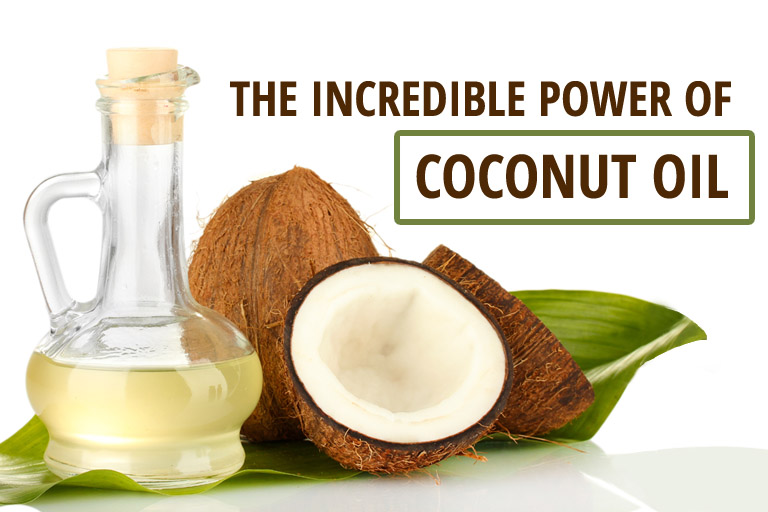
Coconut Oil Benefits: The Incredible Power of Coconut Oil


In the 1960’s, food manufacturers wanted consumers to buy their margarines and hydrogenated oils. To do that, they had to “discredit” the products people had always used in their homes to prepare their food.
Olive oil, coconut oil, and lard were no longer “good for you,” they said. The marketing campaign for their synthetic products began and coconut oil was portrayed as an artery-clogging and cholesterol-raising substance. People were told that it contained too much saturated fat and contributed to heart attacks.
Flash forward four decades later. In the midst of an obesity, heart disease, diabetes, and cancer explosion, scientists discover that it is not healthy fats found in coconut oil and other natural products that are bad for you.
It is the very goods the food manufacturers had been pushing on their consumers for thirty years. The trans-fats contained in these “fake foods” were incredibly dangerous to your entire body. High fat, high sugar, and high carb diets were put under the microscope and found guilty.
Over-processed, pre-made synthetic foods filled with additives, preservatives, dyes, and high levels of high fructose corn syrup (HFCS) and other unnatural fillers were found to be the true culprits of the Western world’s health decline.
After all these years, coconut oil is getting the positive scientific attention it deserves. There’s a reason cultures around the world have been using it for thousands of years. The benefits of coconut oil have filled entire books. There are very good reasons for that. Let’s talk a little about the history.
coconut oil
Coconut Oil’s Bad Rap
How did the food manufacturers manage to discredit an oil used by civilizations throughout history that didn’t experience the rate of disease that we in the United States currently face?
Dr. Thomas Brenna of Cornell University explained the magic trick the food industry pulled on this amazing oil. “Most of the studies involving coconut oil were done with partially hydrogenatedcoconut oil. Virgin coconut oil, which has not been chemically treated, is a different thing in terms of a health risk perspective.”
His research made it clear that natural, organic coconut oil was not the culprit. Once coconut oil is chemically altered to a hydrogenated state, it is no longer natural or organic. They are two very different products and have opposite effects on the human body.
Dr. Brenna’s findings were supported by Dr. Ancel Keys.
In the 1950s, Dr. Keys suspected a link between heart disease and hydrogenated oils. He began a series of studies to test his hypothesis. He investigated a Wisconsin dairy farmer whom initially had cholesterol levels that neared 1000, exceptionally higher than the United States “normal” range of 200-230.
Dr. Keys put him on a diet that replaced margarine with coconut oil. His cholesterol level dropped to 300 in one week. He changed the man’s diet again, adding back the margarine that had been part of his daily food intake. Within days, his cholesterol went back up. On a side note, the topic of cholesterol and heart disease is a topic for another article altogether. 
Despite what you hear, the research actually indicates that cholesterol does not cause heart disease.
This particular experiment raised public awareness and there were health concerns by consumers. The vegetable oil industry proceeded to divert the public’s attention by criticizing and attacking all tropical oils – particularly coconut oil. The soybean industry followed suit. Soon enough, the public quieted down and the manufacturers went back to “business as usual.”
A group of researchers published a paper in the American Journal of Clinical Nutrition in 1981 about their study of two groups of Polynesians. Both groups were instructed to consume coconut oil as their primary source of energy. The results showed positive circulatory and vascular functions in both populations. There was no indication that high saturated fat intake caused harm. The “French Paradox” – a study on low death rates related to coronary heart diseases despite increased intake of saturated fat – confirmed their findings.
The Unique Coconut Oil Benefits
With the advancement of modern technology and breakthroughs in science, numerous studies in the past decade have proven coconut oil to be a “good” saturated fat and incredibly healthy.
Pure coconut oil is rich in lauric acid, a medium-chain fatty acid that is converted to monolaurin by your body. In fact, 50% of coconut oil is lauric acid, a compound usually found in human breast milk, which makes it one of the best food sources of this nutrient available. Lauric acid is beneficial in deterring parasites, bacteria, fungi, yeasts, and viruses.
Coconut oil also consists of 86.5% saturated fatty acids, 5.8% monounsaturated fatty acids, and 0% trans-fat. It is comprised of medium-chain fatty acids (MCFAs), contrary to vegetable or seed oils consisting of long-chain fatty acids (LCFAs). LCFAs are stored in the body as LDL cholesterol, contribute to hardening of the arteries, and strain the pancreas and liver.
MCFAs support the immune system with its antimicrobial properties.
They are easily digested and converted to energy.
Studies indicate that MCFAs help increase feelings of fullness and lead to a reduction in calorie intake when compared to the same amount of calories from other fats.
When MCFAs are metabolized, ketone bodies are created in the liver.
Ketone bodies have been shown to have a strong appetite reducing effect. Coupled with its stimulatory effect on metabolism, it’s easy to see why coconut oil makes it easier to maintain a healthy weight.
In the 1930s, Dr. Weston Price, a dentist by profession, traveled throughout the South Pacific to examine traditional diets and their effects on dental hygiene and overall health. He observed that people whose diets contain high amounts of coconut products were healthy and trim. Despite their high fat intake, there was no existence of heart disease.
Another study in the 1940s found that when farmers used coconut oil as a fattening substance for their livestock, the animals became leaner instead. The high levels of MCFA in coconut oil maintain the thyroid gland’s optimal control of metabolism, ultimately resulting in weight loss.
In the past decades, society has been misinformed to believe that eliminating saturated fats from their diet was necessary for healthy living. We’ve been told that shunning these fats would prevent the occurrence of heart disease, diabetes, and cancer.
Raw, organic, virgin coconut oil is considered a superfood because it helps increase cardiovascular function, heals damaged cells that can lead to cancer and other disease, and cleanses the body.
People worldwide are now realizing the numerous  coconut oil benefits. The truth is, it provides us with crucial nutrients not found anywhere else and is indeed a healthier choice for total body wellness.
_
http://thetruthaboutcancer.com/coconut-oil-benefits-the-incredible-power-of-coconut-oil/


Dr. Goerg -kylmäpuristettu kookosöljy, luomu, valikoima

Kookos

Neitsyt kookosöljy on monikäyttöinen ja terveellinen elintarvike.
Kookosöljy on puhdas luonnontuote ja erinomainen vaihtoehto esimerkiksi heille, ketkä eivät siedä maitoa tai maitotuotteita. Neitsyt kookosöljy soveltuu hyvin ruoanlaittoon ja leivontaan sekä on herkullista sellaisenaan nautittuna.

Neitsyt kookosöljy sisältää runsaasti terveellisiä rasvahappoja - lauriinihappoa.
Sillä on todettu paljon suotuisia vaikutuksia elimistölle, mm. rasvahappoaineenvaihdunnalle, kolesteroliarvoille sekä ihon hyvinvoinnille.
Perinteisesti kookosöljyä on käytetty erityisesti Aasiassa vahvistamaan immuniteettia, ruoanlaitossa sekä ihonhoitoöljynä. 

Dr. Goerg Premium Kylmäpuristettu Luomu Kookosöljy on valmistettu käyttämällä ainoastaan tuoretta kookospähkinän lihaa. Soveltuu hyvin maitoallergikoille, vegaaneille ja karppaajille.
Laadukas kookosöljy Dr Goerg tuotevalikoimasta.
  • 100% puhdas, kylmäpuristettu kookosöljy
  • Puristettu juuri korjatusta kookospähkinän hedelmälihasta
  • 100% luonnollinen: ei ylimääräisiä käsittelyjä, ei karkaistu tai valkaistu.
  • Kolesteroliton, gluteiiniton, laktoositon
  • Ihanteellinen vaihtoehto diabeetikoille ja allergikoille
Extra Virgin kookosöljy on valmistettu tuoreista ekologisista kookospähkinöistä.
Se on kylmäpuristettu hellävaraisesti ja sopii erinomaisesti esim. LCHF- ja RAW-ruokavalioihin!
Kylmäpuristettu kookosöljy on valmistettu käyttämällä ainoastaan tuoretta kookospähkinän lihaa. Soveltuu hyvin maitoallergikoille, vegaaneille ja karppaajille.

Dr. Goerg kookostuotteet tulevat Filippiineiltä yrityksen omista tehtaista, missä kookokset käytetään aina tuoreina, maksimissaan kolme päivää pähkinöiden poimimisesta ja tunti niiden avaamisesta. Kookosöljy puristetaan mekaanisesti kylmämenetelmällä luomu neitsytkookospähkinän hedelmälihasta, jolloin lämpötila ei koskaan nouse yli 38 asteen. Dr. Goergin kehittämiä tekniikoita ja tuotteita on jäljitelty ympäri maailman kertaakaan siinä onnistumatta. Laadun voi helposti maistaa, sillä niin selvästi nämä tuotteet poikkeavat kilpailijoistaan.

Kylmäpuristettu neitsytkookosöljy sisältää yli 90 % raakoja, tyydyttyneitä rasvahappoja, jotka ovat tärkeitä rakennusaineita ihmiskehon soluille. Dr. Goergin kookosöljy sisältää suuren määrän keskipitkäketjuisia rasvahappoja (MCT) ja sillä on mitattu kaikkein korkein lauriinihappo -pitoisuus, jopa 59,42 % kokonaispainosta.

Tuote on lisäaineeton, säilöntäaineeton, kolesteroliton, gluteeniton, laktoositon, maidoton, sokeriton, vähähiilihydraattinen, luomu, GMO-vapaa ja raaka.

Kookosöljylle on monta eri käyttötarkoitusta, sillä voit käyttää sitä sekä ulkoisesti että sisäisesti. Keittiössä kookosöljy sopii leivontaan, pirtelöihin ja raakasuklaan valmistamiseen. Ruoanlaittoon ja paistamiseen kookosöljy sopii myös erinomaisesti, sillä se kestää hyvin kuumennusta. Sitä voi myös syödä sellaisenaan, suoraan purkista.
Ulkoisesti kookosöljy soveltuu ihovoiteeksi, hiustenhoitotuotteeksi ja hierontaan. Se on oivallinen apu esimerkiksi kuivalle iholle ihoöljynä käytettynä. Tuotetta voi myös käyttää tehokkaana deodoranttina.


Säilytetään huoneenlämmössä, suojassa auringonvalolta. Kookosöljy kiinteytyy alle 25 asteen lämpötilassa, mutta ei mene pilalle, vaikka olomuoto muuttuisi useitakin kertoja.

Suositeltava päiväannos on 1-2 ruokalusikkaa (ylläpitoannostus) tai 2-4 ruokalusikkaa öljyä (terapeuttinen annostus).
Probierpaket
Ihre Kokoslieblinge zum Sparpreis

Probie
  • ideal zum pur Genießen, Kochen, Braten, Backen und Dekorieren
  • hergestellt aus frischem Fruchtfleisch
  • ohne Zusatzstoffe
  • von Natur aus frei von Gluten und Laktose
  • vegan (100 % pflanzlich)
    Kokeilupakkaus (kuvassa), hinta 48,95 €
__
Lauric acid or systematically dodecanoic acid, the saturated fatty acid with a 12-carbon atom chain, thus falling into the medium chain fatty acids, is a white, powdery solid with a faint odor of bay oil or soap.

Occurrence


Laurel oil contains lauric acid.
Lauric acid, as a component of triglycerides, comprises about half of the fatty acid content in coconut oillaurel oil, and palm kernel oil (not to be confused with palm oil),[10][11] Otherwise, it is relatively uncommon. It is also found in human breast milk (6.2% of total fat), cow's milk (2.9%), and goat's milk (3.1%).[10]

In various plants

_
http://en.wikipedia.org/wiki/Lauric_acid

_
http://graviola.fi/osta-graviolaa/#!/Dr-Goerg-kylm%C3%A4puristettu-kookos%C3%B6ljy-luomu-valikoima/c/13135021/offset=0&sort=normal
_
http://graviola.ecwid.com/#

What If Breast Cancer Is Really A Fungus?

According to the National Cancer Center at the National Institute of Health, the word cancer is “a term used for diseases in which abnormal cells divide uncontrollably and are able to invade other tissues.” We all know the rest of the story─thousands of lives lost from Breast Canceralone and billions of dollars wasted in the drive to “find a cure.”

Despite all this, surgery, chemo and radiation are still the only conventional options available. But what if conventional cancer research and the treatment plans that stem from them, have been asking the wrong questions?

The Cancer-Fungus Connection

“[The terms] ‘tumor’ and ‘cancer’ are formal descriptions. They do not say anything at all,” says Dr. Tullio Simoncini, a trained physician based in Rome, Italy who specializes in oncology, diabetes and metabolic disorders. His book, Cancer Is A Fungus (Edizioni, 2007), examines the causes of rogue cells dividing to form malignant tumors. His conclusion: “Cancer is a fungus that will do what all fungi do─form colonies and spread throughout the host area.”
He first made this “out-of-the-box” connection after he noticed the milky-white appearance inside the cancer tumors in his patients. As any woman who has suffered through a yeast infection can confirm, this is similar to how surface-area outbreaks such as candida albicans often appear.
Another link between fungi and cancer is their relationship with sugar. Healthy cells in our bodies use glucose and oxygen to produce ATP (adenosine triphosphate), which is the main source of energy for cell function. Cancer cells, on the other hand, use fermentation to produce ATP. Fermentation does not use oxygen and is, in general, a very inefficient way to produce energy. Cancer cells must consume large amounts of sugar in order to survive and grow.
Cancer cells love sugar and so do fungi. What is the first thing you do when candida gets out of control? That’s right─lay off the sugar and simple carbs like bread and pasta. Sugar feeds cancer and it feeds fungal growth as well.
In addition, growing fungi produce chemicals called mycotoxins, which have played some part in the development of cancer in humans according to experimental data.  The connection between mycotoxins and cancer lies in its ability to effect the protein production within cells. For example, it can effect protein 53 (p53), a protein that, when healthy, can activate other proteins that repair DNA. According to Dr. Lynn Jennings, family practitioner and medical writer: “A defective p53 protein could allow abnormal cells to proliferate, resulting in cancer. As many as 50% of all human tumors contain p53 mutations.”

If Cancer is a Fungus, Then Treat it Like a Fungus

Dr. A.V. Constantini, retired head of the World Health Organization’s center for mycotoxins in food, believes that an anti-fungal cancer medication may be just over the horizon. Over the last decades, there has been some anecdotal evidence to support this prediction. Dr. Simoncini, on the other hand, is more doubtful because of the basic nature of fungi itself. “They are social elements,” he says. “They network and they will adapt.”
Dr. Simoncini’s solution to heal cancer naturally is simple. It adheres to the basic principles of natural cancer therapies and to my 7 Essentials ™ System, an evidence-based approach to support and heal the body naturally: change the internal environment in the body from one of acidity (which cancer cells love) to alkalinity.
Dr. Simoncini recommends the use of simple Baking Soda, or sodium bicarbonate therapy. Because the most effective way to shrink tumors is through direct contact with the sodium bicarbonate, in most cases a catheter is used to go through the arteries to the organs within the body. For some cancers, including Breast Cancer, a simple local infiltration or injection can be used instead. Dr. Simoncini himself claims that this method carries a 99% success rate for healing Breast Cancer without surgery.
One can also enjoy an alkaline Baking Soda drink every day. In a glass of purified water, add the juice of ½ lemon and 1 teaspoon baking soda. Stir and enjoy. Because this is such an alkaline drink, always consume it 30 minutes before and at least two hours after a meal. Proper digestion requires an acidic pH in the stomach.
In order to prevent Breast Cancer naturally, follow a healthy anti-cancer regime that includes the “7 Essentials” of an anti-cancer diet, herbal supplementation, detoxing, emotional healing, biological dentistry, energy balancing and early detection. Maintaining the proper alkaline balance in your body is key to keeping fungal growth─and Breast Cancer─at bay.94 Comments. Share your thoughts below:
_
http://thetruthaboutcancer.com/breast-cancer-really-fungus/  

"Cancer is a fungus, called candida albicans, and it can be treated using sodium bicarbonate". So says Tulio Simoncini

Simoncini is a former Italian oncologist in Rome who developed a theory that all cancer is caused exclusively by a fungus called candida albicans.  His alternative cancer treatment is simple: To alkalise the body and tumour by the use of a cheap, common compound, sodium bicarbonate, tackling the candida, shrinking the tumour and stopping metastases. Thus it is also a natural cancer cure.
At this point we would like to remind readers of our often repeated stance that we do not believe that any single thing is the cause of all cancer. In 2012 MD Anderson analysed the histology and biochemistry of all their recent DCIS breast cancer patients (over 1400 women) and concluded that every person was different.
We cover Simoncini purely because people write in and ask about him. Also, much of what is on the internet is inaccurate. We are not fans of Simoncini or his theory and approach.

Candida, beneficial bacteria, acid bodies and cancer

The background to Simoncini´s work involves the following theoretical elements:
Firstly, acid bodies are known to be linked to ill health and cancer. (Click here for article on Acid Bodies and Cancer)
Secondly, sodium bicarbonate can alkalise your body. It has been used in many preparations as an antacid; an indigestion aid. You can buy a small pot of it in high street chemists for a little over one pound.
Thirdly, the beneficial bacteria in your intestine are now known to direct up to 85 per cent of your immune response, to release anti-cancer vitamins (like biotin, B-12, folic acid, vitamin K) from your foods and even to produce a compound (sodium butyrate) which causes cancer cells to self-destruct. Beneficial bacteria work imperfectly if the acidity of the gut increases. (Click here to read about beneficial bacteria.) We have a book on the importance of a healthy microbiome called ´The Secret Source of your Good Health´.
However, fourthly, at night when you sleep, beneficial bacteria digest vast quanities of microbes, fungus and yeasts that you consumed during the day with your food. In fact their favourite food is the yeast or fungus, Candida albicans. So, they are your first line of defence. We have another article on how you might use diet to rid your body of excesses of candida - Click here to read, Can Candida cause cancer?

So how might candida cause cancer?

Candida albicans is known to be able to escape the intestine and travel around the body in the blood stream. Oregano oil and cinnamon can kill the yeast in the blood stream. About 25 per cent of type-2 Diabetics were shown to improve when given cinnamon. This is because the fungus sits on the outer membranes of cells, preventing crucial receptor sites from working properly - in the case of diabetes, those receptor sites are for insulin. However, candida also produces a sugar-like waste product. people with higher blood sugar levels develop more cancer; and survive less.
But there is a second potential problem. Yeasts like candida are anaerobes - this means they generate their energy in the absence of oxygen. Once in the blood stream they can colonise certain local areas of the body and greatly reduce the oxygen levels in that area. The result is that the local cells do not die, but switch their own energy production from an oxygen-based system to one that doesn´t use oxygen.  This is the system employed by cancer cells, which also do not use oxygen to generate their energy from food molecules. In fact, Otto Warburg won a Nobel Prize in 1931 for telling the world this property of cancer cells and that oxygen was their enemy!
Is it, then, any surprise then that women who had taken antibiotics more than 25 times during their lifetime had twice the risk of breast cancer, according to research covered in CANCERactives research service Cancer Watch? Their friendly bacteria were reduced allowing candida more chance to survive in the gut and move to the blood stream. Their immune systems were weak, indicated by the illnesses that required the antibiotics. And so on.
Dr Simoncini was a respected Italian Oncologist until he developed his theory ... His theory is that all cancer is caused by the fungus, candida albicans. His cure is to alkalse the body to produce conditions in which the candida could not thrive. His main weapon is the inexpensive, sodium bicarbonate. He was struck off, in Italy.

Yeast infections and candida

At CANCERactive we have drawn cancer patients attentions to candida albicans and yeast as one possible driver of cancers before. We have given ideas on testing for yeast infections (for example, Vega testing, and colonic irrigation), we have provided an anti-yeast diet.
We have also covered research on yeast infections which are known to play a negative role in orthodox treatments for cancers such as leukaemia and multiple myeloma where all the defence white cells are killed off and the patient has extensive treatment with antibiotics to prevent infection.
There can be little doubt that yeast and candida infection can be a cause for ill health, and is known to be a complication in some cancers.
We also note comment in the American medical magazine Contemporary Oncology, 1993, which contained the following quote:

´Cancer patients having chemotherapy did not succumb to the cancer but to an infestation of candida albicans.

To repeat: At CANCERactive, we are always extremely wary of people who talk about one single cause for cancer; and one single cure. We believe it unlikely that there will ever be a single cure for all cancer. Not Herceptin, Glivac, not B-17 or sodium bicarbonate.
There is little doubt that acid bodies make you unhealthy and can cause cancer. Sodium bicarbonate may help (along with a plant based diet) to alkalyse the body.Certainly the researchers found that this seemed to stop new metastases.
We are well aware of the detrimental effects of candida. 
But to say ALL cancer is candida, and that ALL cancer can be treated using a single compound like sodium bicarbonate stretches the bounds of credibility for us.

Research on sodium bicarbonate treatment from US Cancer Centers

Research published online (March 10th 2009) in Pubmed (19276390 - Cancer Res 2009; 69 (6); 2260-8) from Arizona Cancer Center (University of Arizona); the Department of Pharmacology, Wayne State University, Detroit and the H. Lee Moffitt Cancer Center Florida seems pretty convincing. It is entitled

´Bicarbonate increases Tumor pH and inhibits spontaneous metastases.´
The researchers start by commenting on the acid drivers of tumours, saying that the internal pH of solid tumours is acidic due largely to glucose metabolism. The external surrounds are also acidic, and this seems to encourage metastases. The researchers comment that the pH inside a tumour can be 6, whereas a healthy body should be 7.2 to 7.5. Oral ingestion of sodium bicarbonate reduced the formation of new metastases in breast cancer models in mice. The equivalent human consumption would be 12 gms of sodium bicarbonate a day. It reduced metastases to the lungs and intestines. No lymph node infection occurred.
When using injections directly into the tumours, the tumours regressed. 
The research stated that the treatment also worked with prostate cancer, but not with melanoma. The researchers now have a grant to conduct clinical trials.

No mention of candida albicans

Simoncini quoted the above research. However ... the research at no point mentioned candida albicans or yeasts - it talked about the alkalysing effects of sodium bicarbonate stopping or interfering with the acid processes of cancer.

The theory and use of Sodium Bicarbonate

Dr Tulio Simoncini notes that Sodium Bicarbonate has been used for years. It is, of course, basic baking soda, and has been used as a simple solution for indigestion. It produces an alkalising effect in the body, and seems to be perfectly safe a dilutions of 5 per cent.
Simoncini argues that there are vast numbers of fungi, but few mycetes are pathogenic to humans. He notes that mycosis is typically divided into external (for example in the hair and nails) and deep (where the fungi can attack the lungs, bones etc)
Out of all the possible forms, he believes the one responsible for cancer is Candida. Systemic candiosis starting in the gut, progressively moves through the blood system and then penetrates certain tissues.
Simoncini argues that Sodium Bicarbonate is extremely diffusible throughout the body. And that it changes the pH and then the structure of a fungus so fast that the fungus has no time to adapt (as it can do to drugs). The treatment is thus intense but only using a 5 per cent solution taken continuously for 8 day cycles.
He also clarifies that the dose used is indeed used for a number of other diseases as orthodox treatment (for example, in pharmacological toxicosis, and hepatopathy).

_
http://www.canceractive.com/cancer-active-page-link.aspx?n=2719&Title=Cancer%20is%20a%20fungus

Dr Tullio Simoncini - Cancer Is A Fungus - Bicarbonate Of Soda Treatment


How to treat cancer - Cancer is Fungus - Dr Tullio Simoncini

Dr. Simoncini, an oncologist in Rome, Italy has pioneered sodium bicarbonate (NaHCO3) therapy as a means to treat cancer. The fundamental theory behind this treatment lies in the fact that, despite a number of variable factors, the formation and spreading of tumors is simply the result of the presence of a fungus.

Sodium bicarbonate, unlike other anti-fungal remedies to which the fungus can become immune, is extremely diffusible and retains its ability to penetrate the tumor, due to the speed at which the sodium bicarbonate disintegrates the tumor. This speed makes fungi's adaptability impossible, rendering it defenseless.

The sodium bicarbonate solution is administered directly on the tumor, if possible. Otherwise, it can be administered by selective arteriography, which basically means selecting specific arteries through which the solution is administered, which subsequently dissolves the tumor.

Selective arteriography represents a very powerful anti-fungal weapon that is painless, leaves no after effects, and has very low risks. It is possible to reach almost all organs with a sodium bicarbonate solution, resulting in treatment that is harmless, fast, and effective.

http://www.curenaturalicancro.com/


Paheksuttu kookosöljy tappaa syövän ja parantaa Alzheimerin taudin


9.4.2015


Kookosöljy päätyi ravintoaineiden mustalle listalle aikana, jolloin tyydyttyneitä rasvoja, mukaanlukien voita, pidettiin haitallisena terveydelle.
Epäterveelliset, käsitellyt transrasvahapot, kuten margariini, nousivat pinnalle.
Tyydyttyneet rasvat ovat tehneet paluun jääkaappeihin kuluneen vuosikymmenen aikana, todistettujen terveysvaikutteisten ominaisuuksiensa ansiosta.
Nyt, kun pseudotieteen leima on saatu karistettua pois, yhä useampi terveystietoinen kansalainen ymmärtää tyydyttyneiden rasvojen olevan paitsi turvallisia, myös terveellisiä ja lääkitseviä. Useat julkaistut, mutta huonosti tunnetut tutkimukset ovat todistaneet palmu- ja kookosöljyn lääkinnälliset ominaisuudet.
Yksi perusteellisimmista tutkimuksista, mistä et ole varmaan kuullutkaan, käsittelee syöpää. Australialaiset tutkijat julkaisivat tiedeartikkelin tammikuussa 2014 Chemotherapy -julkaisussa, aiheena ”kokeellinen kemoterapia”.
Koeputkissa kasvatettiin ihmisen paksusuolensyöpäsoluja.
Paksusuolensyöpä on kolmanneksi diagnosoiduin syöpä. Sairastuneilla on toiseksi korkein kuolleisuus kaikista syöpätyypeistä.

Tietysti tutkijat olivat enemmän huolissaan siitä, voidaanko hoito sovittaa yhteen kemoterapian kanssa, täysin vaihtoehtoisen hoitomuodon sijaan.
Suolistossa muodostuvaa butyraattia (lyhytketjuinen rasvahappo) verrattiin lauriinihappoon (keskipituinen rasvahappo), mitä on palmu- ja kookosöljyssä. Noin puolet palmu- ja kookosöljyn keskipituisista rasvahapoista on lauriinihappoa.
Lauriinihappo lisäsi syöpäsolujen oksidatiivista stressiä ja solukuolemien määrää kaikkein tehokkaimmin. 90 % syöpäsoluista kuoli tunnin sisällä hoidon aloittamisesta. Muistakaa, syöpäsolut eivät kestä happea. Tämänkin vuoksi kookosöljyn tulisi kuulua päivittäiseen ruokavalioosi.
Kookosöljy päihittää lääkkeet Alzheimerin hoitamisessa
Tohtori Mary Newportin aviomiehen, Steven, Alzheimer pahentui lääkkeiden käytöllä. Lääkkeet aiheuttivat myös ei-toivottuja sivuvaikutuksia. Steven tauti oli edennyt varsin pitkälle. Hän ei muistanut ystäviään tai sukulaisiaan. Lisäksi hän askelsi oudosti kävellessään.
Hän ei osannut piirtää edes kelloa ulkomuistista. Kuva ei näyttänyt yhtään kellolta, eikä sitä voitu laittaa taiteellisen vapauden piikkiin.
Näin ollen tri Newport laittoi toivonsa lääketeollisuuden varaan. Uusia ihmiskokeita tarvittiin Alzheimerin etenemistä ehkäisevien lääkkeiden testaamiseen. Yhdysvalloissa yli viisi miljoonaa kärsii Alzheimerin taudista, mikä on seitsemänneksi yleisin sairausperäinen kuolinsyy. Oli onni Stevelle ja Marylle, että he eivät ehtineet ilmoittautua lääketestaukseen. Seuraukset olisivat olleet samankaltaiset kuin muilla, lääkkeet olisivat osoittautuneet tehottomiksi tai kuolettaviksi.
Mary ei luovuttanut. Hän etsi ja löysi lääketutkimuksen, joka testasi ihmisillä synteettisiä, keskipitkiä triglyseridejä (MCT, medium chain triglyseride) syövän hoitoon. Yhdisteistä käytetään yleisnimitystä MCFA (medium chain fat acid). Lauriinihappo kuuluu näihin yhdisteisiin ja sitä esiintyy luonnostaan kookosöljyssä. Pitkäketjuiset triglyseridit voivat aiheuttaa terveyshaittoja suuria määriä nautittaessa.
Maksa pilkkoo keskipitkät triglyseridit energiaksi helposti ja nopeasti. Rasvaksi varastoitumisen sijaan elimistö käyttää muodostuvat ketonit aivojen energianlähteenä. Ketonit läpäisevät veri-aivoesteen vaivatta. Osa terveysasiantuntijoista on alkanut pitämään dementiaa tyypin 3 diabeteksena.
Mary lisäsi yhden tai kaksi ruokalusikallista raakaa kookosöljyä Steven jokaiseen ateriaan. Hän parani silmissä. Hänen tilansa koheni niin hyvin, että hän muisti ystävänsä ja perheenjäsenensä sekä kykeni keskustelemaan heidän kanssaan vaivatta. Hän ei enää askeltanut oudosti ja aloitti pitkät kävelylenkit. Hän kykeni viimeistelemään projektit, mitä hän ei kyennyt tekemään aikaisemmin.

Tri Mary Campbell kirjoitti kirjan heidän kokemuksistaan kookosöljystä: ”Alzheimerin tauti, entä jos hoitokeino on jo olemassa? Näin ketonit auttavat”. Muiden ihmisten kookosöljystä saamien hyvien kokemusten perusteella keskipitkiä triglyseridejä kannattaa nauttia jo ensimmäisten dementian tai Alzheimerin oireiden ilmetessä.
Kaikki, joiden tauti on edennyt yhtä pitkälle kuin Stevenillä, eivät vastaa hoitoon yhtä hyvin.
Sitä paitsi, erottelemattomalla, kylmäpuristetulla kookosöljyllä on useita muita terveysetuja. Se tappaa luonnollisesti useat eri virukset, bakteerit, sienet sekä parasiitit, vahingoittamatta hyödyllisiä suolistobakteereita. Kookosöljy edistää ruoansulatusta, maksan aineenvaihduntaa sekä lievittää tulehdusta.
Paikallisesti levitettynä sillä on ihoa ja hiuksia tervehdyttävä vaikutus. Se auttaa myös painonpudotuksessa ja tyypin 2 diabeteksen parantamisessa. Korkean savupisteensä (lämpötila, missä öljy syttyy palamaan, menee pilalle ja muuttuu myrkylliseksi) ansiosta se soveltuu hyvin paistamiseen ja friteeraamiseen.
Artikkeli on julkaistu alunperin englanniksi lähteineen Realfarmacy.com -verkkolehdessä.
_
http://magneettimedia.com/paheksuttu-kookosrasva-tappaa-syovan-ja-hoitaa-alzheimerin-taudin/