

- ‘I call it self-defense’ to the point of extreme activity which may break the law,” Assa explains.
A Tale of Migrations, Myths, and Manufactured History
- Jews, are “returning” to a long-lost homeland in Palestine is a political myth, not a historical fact. In reality, the vast majority of Ashkenazi Jews trace their ancestry to Khazaria, Poland, Ukraine, and other parts of Eastern and Central Europe, rather than to the ancient Judean population.
- Palestinians: The Actual Semites of the Region.
- Haplogroup J1 - The Generations of Noah - Gaza Semites.
- Israel’s Hiding the True Numbers of the Semites It Has Killed in Gaza.
- Drumpf from Kallstadt - The Devil’s Run For The Casa Blanca.
- US gave Israel $21.7 billion in military aid during Gaza conflict.
- TRUMP-NETANYAHU’s Devilish Fake Truce in GAZA.
Gaza’s mass graves: Is the truth being uncovered? | 11 May 2024
__
T=1769947533 / Human Date and time (GMT): Sun, 1st Feb. 2026, 12.05.
___
‘I call it self-defense’: Jewish terror surges as Palestinian attacks decline

While Israel’s security forces are celebrating a dramatic collapse in Palestinian terror attacks, a different and far more uncomfortable trend is taking hold in the West Bank. Jewish extremist violence against Palestinians has surged to its highest level in years, leaving villages burned, civilians injured, and the security establishment grappling with a threat that is harder to define.
Only a week ago, a mob of Jewish settlers stormed the Bedouin village of Mukhamas in the West Bank, injuring at least six Palestinians and setting houses and cars ablaze. Videos from the scene showed masked men moving freely for hours, vandalizing property and torching vehicles before security forces arrived.
For Israel’s Central Command, the incident was not an anomaly but another data point in a deeply troubling trend. Only days earlier, the military had released its annual summary for 2025 – figures that point to a dramatic surge in Jewish extremist violence, even as Palestinian terror attacks have declined sharply.

A steep rise in Jewish extremist violence
According to Central Command data, 2025 saw a more than 50% increase in the number of serious incidents defined by the security establishment as Jewish terror against Palestinians. The number rose to 128 incidents in 2025, compared with 83 in 2024 and 54 in 2023. These were not marginal acts of vandalism but severe crimes: arson attacks on homes and villages, shootings, and physical assaults resulting in injuries.
The rise is even more pronounced when examining the broader category of “nationalist crime,” which includes stone throwing, agricultural vandalism, and intimidation. In this wider framework, 682 incidents were recorded in 2024, rising to 867 in 2025, a significant spike within a single year.
The question of how many settlers are involved remains contested. Addressing the issue publicly, Prime Minister Benjamin Netanyahu described the perpetrators as “70 boys from broken families.” However, according to the Israel Defense Forces internal assessments, the phenomenon is far broader. Military intelligence estimates that around 300 individuals, largely associated with the so-called “hilltop youth,” have been involved in violent incidents in recent months.
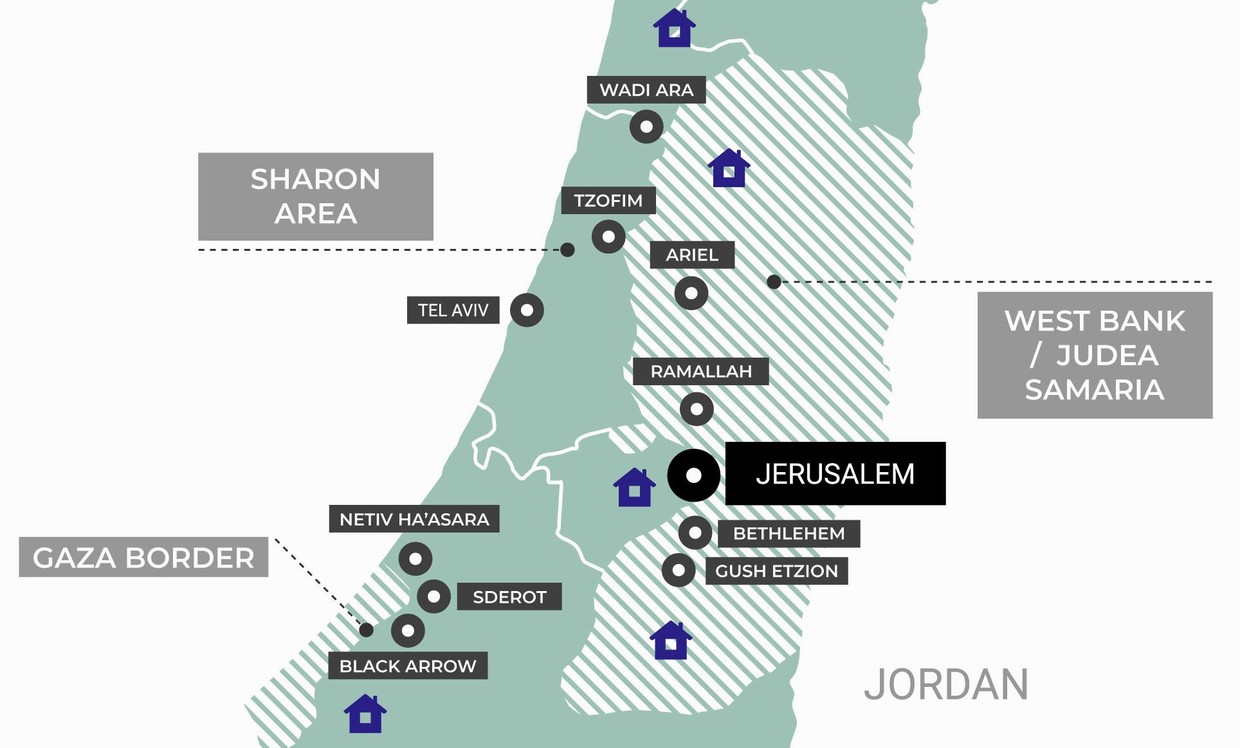
Geographically, the violence is concentrated in specific areas. The most dramatic increases were recorded in Gush Etzion and the Judea region, where incidents more than doubled in some sectors. According to Central Command, roughly 90% of violent acts originate from illegal outposts, rather than from agricultural farms that operate in coordination with the military.
Terror – or something else?
Among Palestinians and Israeli human rights organizations, there is little hesitation in labeling these attacks as terrorism. But not everyone within Israel’s security establishment agrees with that definition.
Amit Assa, a former operative of Israel’s internal security agency, the Shin Bet, says he struggles with the terminology.
“I call it self-defense to the point of extreme activity which may break the law,” Assa explains.
“It must be remembered that 2025 is only the second year since the [October 7, 2023] war, and the Jewish residents of Judea and Samaria are much more vulnerable to rising [Palestinian] attacks.”
His view reflects a broader debate inside Israel: whether Jewish extremist violence should be framed as terrorism or as a radicalized, unlawful response to prolonged insecurity.
Palestinian terror: more attempts, fewer attacks
At first glance, statistics appear to support Assa’s argument, but only partially.
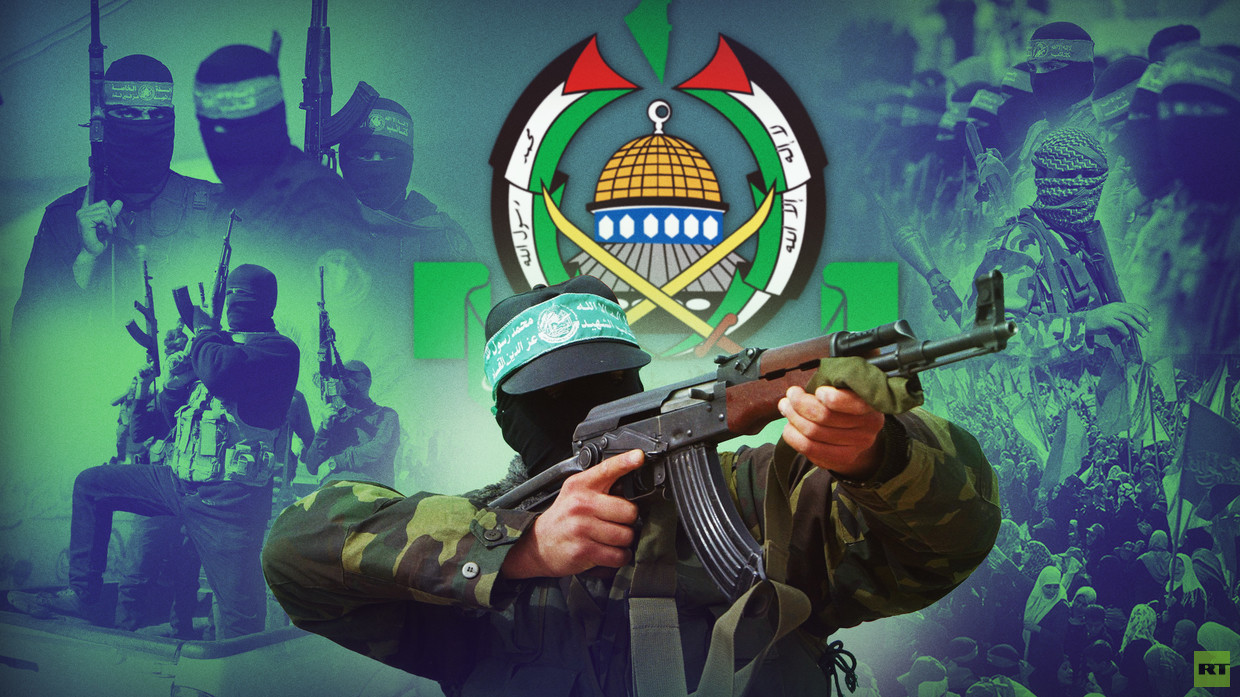
According to Shin Bet data, attempts by Palestinians to carry out attacks against Israelis have actually increased. In 2025, the agency recorded 1,374 attempted attacks, up from 1,040 in 2024 and 1,032 in 2023.
Yet, the number of attacks that were successfully carried out – and resulted in deaths, injuries, or damage – dropped dramatically. In 2025, there were 54 such incidents, compared with 231 in 2024 and 414 in 2023.
This gap between intent and execution highlights the effectiveness of Israel’s counterterrorism apparatus when it comes to Palestinian militancy. And it also underscores a striking asymmetry in how different threats are handled.
The Shin Bet’s unequal focus
Since its establishment in 1949, the Shin Bet has devoted the overwhelming majority of its resources to combating Palestinian terror. This includes a substantial share of the agency’s budget, thousands of operatives, interrogators, intelligence analysts, cyber units, and a dense network of informants. Daily coordination with the IDF, police, and foreign intelligence services further amplifies its reach.
The logic is clear: Palestinian terror organizations are hierarchical, externally funded, ideologically motivated, and capable of executing mass-casualty attacks. They pose what the security establishment defines as a strategic threat.
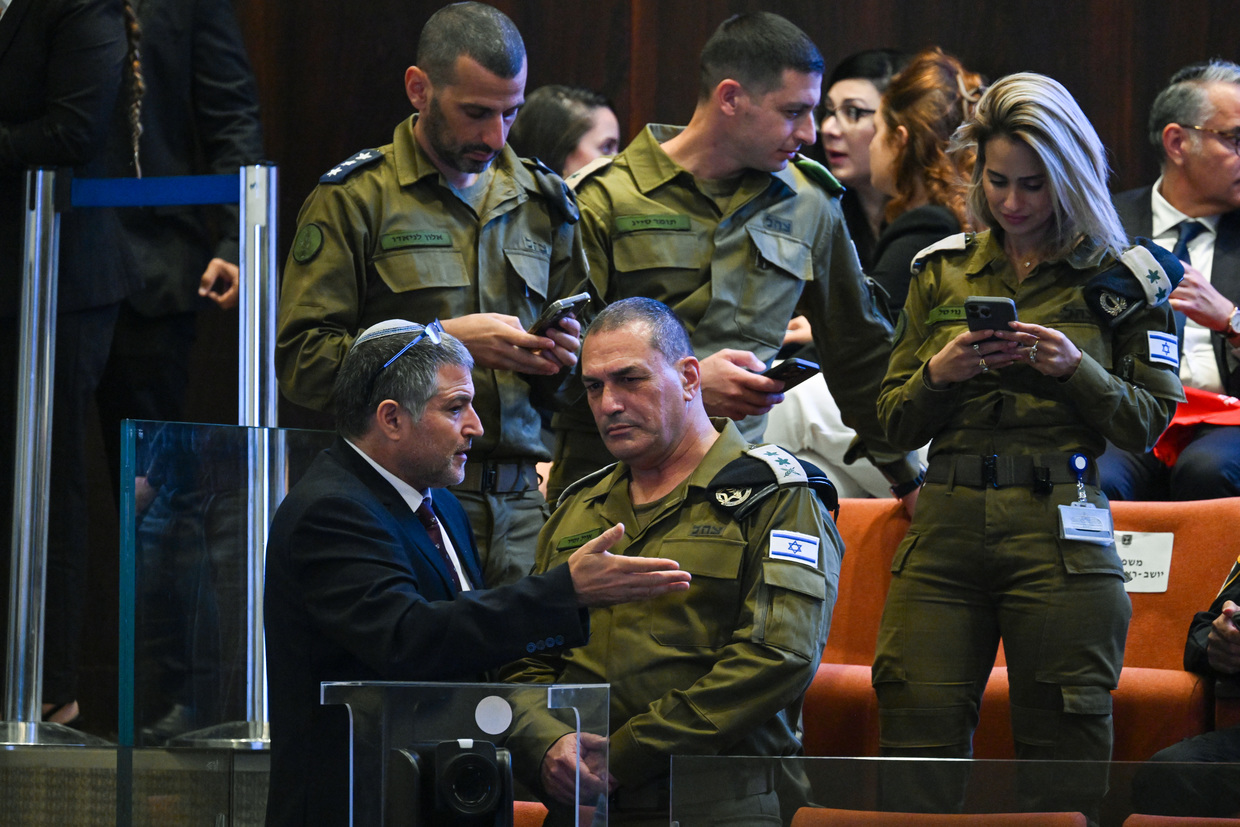
By contrast, Jewish extremist violence is handled by a single, relatively small unit within the Shin Bet, commonly referred to as the Jewish Department. Its manpower and budget are minimal when compared with divisions focused on Palestinian militancy.
The reasoning, again, is strategic. Jewish extremist groups lack formal organizational structures, foreign sponsorship, or the capacity to destabilize the state militarily. But this is also where the tension begins. While the threat may be smaller in scale, it is far more politically and socially explosive.
Is the Shin Bet doing enough?
Assa agrees that only one department handles Jewish extremism, but he rejects the notion that the Shin Bet is neglecting the issue.
“Over the past few years, the Shin Bet has put much of its focus on illegal radical right-wing Jewish activity,” he says.
“I can assure you that all the different bodies – the police, the intelligence agencies, the politicians, and the heads of the communities – cooperate and aim to handle the radical activists.”
According to Assa, the surge in violence stems less from institutional failure and more from emotional dynamics. “The younger generation feels vengeance toward rising terror attacks in general, and October 7 in particular,” he says. For him, this is not strategic terror. It is a reaction.

Political tailwinds – or political pressure?
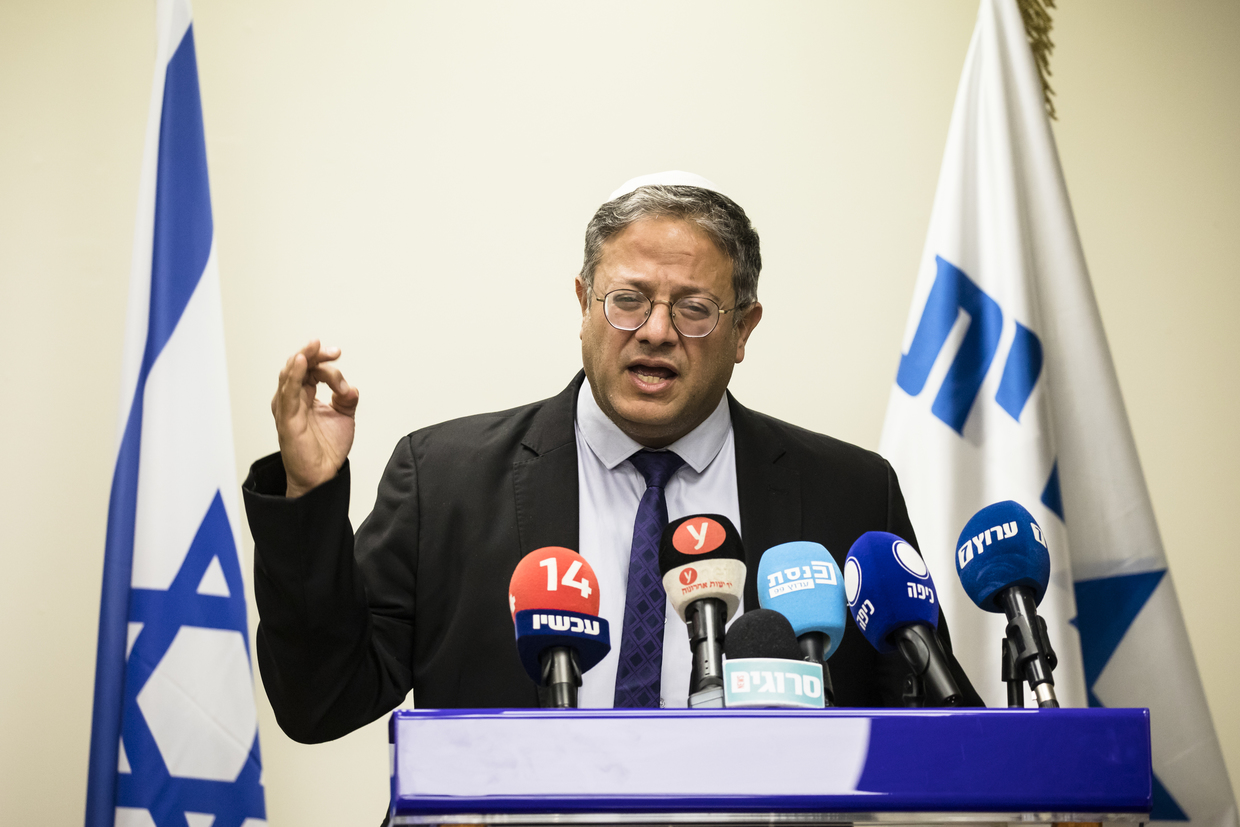
Not everyone shares this assessment. In 2024, Arik Barbing, a former Shin Bet officer, published an article arguing that Jewish extremist groups are flourishing because they enjoy implicit political backing, specifically from Israel’s National Security Minister, Itamar Ben Gvir.
Ben Gvir himself has a long history with the Shin Bet, having been arrested and interrogated multiple times in the past for extremist activities in the West Bank. As a politician, he has repeatedly voiced support for settlers involved in confrontations with Palestinians. Arrests are rare, indictments rarer still, and convictions almost nonexistent.
At the same time, Israeli activists, both Jewish and international, who document settler violence have reported increasing harassment, detentions, and legal pressure, often under directives issued by the ministry Ben Gvir oversees.
Assa firmly rejects claims that the Shin Bet operates under political pressure.
“In my professional opinion, the Shin Bet is not controlled or dictated to by any ministerial body or politician when dealing with extremist activity, whether left-wing or right-wing Jewish extremism,” he says.
A battle Israel is losing abroad
Where Assa sees a clear failure is not in intelligence or enforcement, but in perception.
“I think the international community has very little understanding of what Israel is up against,” he argues. “The discussion must start with the fact that we are continuously attacked by radical Islamic terror. We are forced to focus on self-defense.”
Israel’s greatest challenge, he says, is narrative rather than security.
“We cannot compete with the well-oiled, state-sponsored propaganda machine funded by countries like Qatar and amplified by outlets such as Al Jazeera.”
Yet, as the village of Mukhamas smolders and the statistics continue to climb, Israel faces a dilemma that cannot be solved by messaging alone. While Palestinian terror has been suppressed with remarkable efficiency, Jewish extremist violence is rising – unchecked, politically charged, and increasingly visible.
For Israel’s security establishment, the danger may no longer lie only across the lines, but uncomfortably within them.

SOURCE:
https://swentr.site/news/631831-jewish-terror-surges-west-bank/
___
Gaza’s mass graves: Is the truth being uncovered?
Calls for an independent inquiry are mounting as more burial sites are found across Gaza, but experts say bringing the truth to light will take time.


Gaza Strip [AFP]
Palestinian emergency workers continue to uncover mass graves in and around three hospitals in the Gaza Strip, months after Israeli forces laid siege to them, claiming they were being used as Hamas command centres.
More than 500 bodies have been recovered with Palestinian officials saying several of them showed signs of mutilation and torture amounting to war crimes. Israel’s military has rejected the allegations as “baseless”, saying the bodies were buried by Palestinians during the fighting between Israeli forces and Hamas in the area.
Recommended Stories
The United Nations, the United States and the European Union have called for an independent investigation to determine the truth and ensure accountability. UN spokesperson Stephane Dujarric said: “It’s important that all forensic evidence be well preserved.”
But as Israel intensifies its assault on the southern city of Rafah, having closed the crossing into Egypt and preventing any possible deployment of forensic teams or equipment into Gaza, burial sites are being dug up and evidence haphazardly collected.
Experts said the disturbance of sites where proof of war crimes might lie will make the search for truth harder – yet not all hopes for justice are lost.
How is evidence being collected from the mass graves?
Three mass graves have been found at the Nasser Medical Complex in Khan Younis, three at al-Shifa Hospital in Gaza City and one at the Kamal Adwan Hospital in Beit Lahiya.
Mohammad Zaanin, a member of the Palestinian Civil Defence in Gaza, told Al Jazeera on Thursday that a fourth gravesite containing 42 bodies had been found at al-Shifa Hospital. The bodies were decomposed and unrecognisable, but some had IDs on them or were identified by relatives from clothing remnants.
Civil Defence teams have been documenting the remains through photos and videos, working with little protective gear and no forensic equipment. “We have some body bags and a little equipment to protect our hands and noses, but in reality, this is a local effort, and it puts a lot of pressure on our team,” Zaanin said.
Thani Nimr Abdel Rahman, who works with the Al Mezan Center for Human Rights in Gaza’s Jabalia refugee camp and has visited the burial sites at al-Shifa Hospital, said she witnessed the ground being excavated using bulldozers.
Before the dead are reburied at a new site, relatives of the missing search for pieces of clothing around the remains for a sign of their loved ones. At times, the corpses have been left unattended. “The dogs came to devour the bodies, and the smell was deadly,” Abdel Rahman told Al Jazeera. “[This work] requires more capabilities and forensic experts, none of which are available in Gaza.”
Has evidence of war crimes been found?
Several Civil Defence members have claimed to have found evidence of ill treatment, including torture, extrajudicial executions and unlawful killings of noncombatants that could amount to war crimes.
Rami Dababesh, a member of the Civil Defence team who took part in the exhumation work at al-Shifa Hospital, told Al Jazeera that his team had found “headless corpses”. Paramedic Adel al-Mashharawi said he saw bodies of children and women dressed in hospital garments.
Civil Defence member Mohammed Mughier said at least 10 of the bodies had been found with bound hands while others still had medical tubes attached to them. He added that additional forensic examination was needed on about 20 bodies of people who they suspect had been “buried alive”.
Yamen Abu Sulaiman, the head of the Civil Defence in Khan Younis, said some of the bodies found at the Nasser Medical Complex had been “stacked together” and showed indications of field executions having taken place. At least 392 bodies were recovered at this site alone.
Is the evidence gathered reliable?
Mass grave investigations are typically a highly complex, lengthy and expensive process, requiring significant expertise and resources. The overarching operating principle underpinning the forensic scientific approach is “do no harm” because interference with the site may prejudice the evidence.
“The first reaction from pretty much everyone is to dig the bodies up because it’s a very emotional thing,” Stefan Schmitt, a forensic scientist at Florida International University who has investigated mass graves in multiple conflicts, told Al Jazeera.
“But bodies are safer underground when it comes to identifying them and determining what happened. Particularly in this case, where the truth is so incredibly important and where all sides are propagating their own version of the events, it’s especially important to be able to determine what really took place.”
Gaza’s seventh mass grave discovered at al-Shifa Hospital

https://youtu.be/s1JwSNipeis?si=e7N058bpNG6B9RX-
9.5.2024 #Aljazeeraenglish #News
A new mass grave has been discovered at al-Shifa Hospital in Gaza where Palestinian officials have been investigating allegations of killings of patients and staff by Israeli forces during their occupation of the site.
https://www.youtube.com/watch?v=s1JwSNipeis
Is there any hope of justice for victims?
As the Rafah border crossing with Egypt remains closed, the prospects of foreign investigators being sent in to investigate allegations of war crimes appear slim.
However, not all hope for justice is lost. “What you have got, as opposed to what you haven’t got, might itself be extremely revealing,” said Geoffrey Nice, a British barrister who led the prosecution in the trial of Serbian politician Slobodan Milosevic at the International Criminal Tribunal for the Former Yugoslavia in The Hague.
“Because you haven’t got it all doesn’t mean you haven’t got enough,” Nice told Al Jazeera about forensic scientific evidence.
In the former Yugoslavia, remains were dug up for decades, and DNA testing ensured identification even many years after the events. “Efforts on identification never end, and there is a huge body of evidence. Never worry about what you haven’t got. Use what you have got,” the barrister added.
Evidence gathered at the mass graves could point to specific offences or be merged into a broader inquiry into war crimes. An unbiased judiciary and investigatory organisation may be set up, but this will take decades of work and cost a large sum of money, requiring the support of wealthy countries.
According to Nice, should a tribunal for Gaza be set up, “it would not be sensible to have participating members from any countries that supported Israel with weapons.”
“The Israel-Gaza conflict is hopelessly sensitive. The funding body, be it the EU or someone else, has got to be prepared after having funded it to have absolutely no further engagement except when asked,” he added.
Is justice being pursued elsewhere?
Legal proceedings are also already ongoing at top courts. The International Criminal Court (ICC) in The Hague is overseeing an active investigation into the atrocities on October 7 by Hamas and the response by the Israeli military. The office of the prosecutor has jurisdiction in the Palestinian territories but has not made any public comments about the discovery of mass graves.
The International Court of Justice (ICJ), a separate court, is considering a case brought by South Africa in which Israel stands accused of committing genocide in Gaza. It will take several years to reach a verdict, during which time, the court is expected to investigate a litany of alleged offences.
Among key provisional measures issued to prevent the crime of genocide, the ICJ ordered Israeli authorities to “take effective measures to prevent the destruction and ensure the preservation of evidence” related to the allegations. It also ordered unimpeded access to humanitarian aid, which humanitarian organisations said has been blocked since the offensive in Rafah began.
“If the general conclusion of any court is that what is going on in Gaza is beyond the limits of warfare, then it is not difficult to track the chain of command back to the top,” Nice said.
Then, the barrister added, “you can start to see if there is individual responsibility.”

Can international organisations help?
The UN has called for “a clear, transparent and credible investigation” of mass graves in Gaza. The EU backed the call, saying the discovery of bodies at the hospitals “creates the impression that there might have been violations of international human rights” while the US said it wanted the matter to be “thoroughly and transparently investigated”.
It is unclear which organisation would heed the call, or who in the future might take up the hefty task of investigating.
UN human rights spokesperson Jeremy Laurence told Al Jazeera the international body was not providing support in evidence gathering at burial sites in Gaza “because it requires specific expertise that does not exist on the ground”.
https://youtu.be/K6iZWGOd-FA?si=xa4ZThHgcTeUyZO7
10.5.2024 #Gaza #GazaUnderAttack #FreeGaza
Gaza’s Government Media Office has reiterated its warning about the ramifications of Israel’s attacks on eastern Rafah and the closure of the vital Rafah border crossing with Egypt as well as the Karem Abu Salem (Kerem Shalom) border crossing. It warned of a “deep humanitarian catastrophe” unfolding in the overcrowded southern Gaza city, where more than 1.4 million displaced and hungry Palestinians have sought shelter.
Al Jazeera’s Hamdah Salhut explains.
https://www.youtube.com/watch?v=K6iZWGOd-FA
Is there any hope of justice for victims?
As the Rafah border crossing with Egypt remains closed, the prospects of foreign investigators being sent in to investigate allegations of war crimes appear slim.
However, not all hope for justice is lost. “What you have got, as opposed to what you haven’t got, might itself be extremely revealing,” said Geoffrey Nice, a British barrister who led the prosecution in the trial of Serbian politician Slobodan Milosevic at the International Criminal Tribunal for the Former Yugoslavia in The Hague.
“Because you haven’t got it all doesn’t mean you haven’t got enough,” Nice told Al Jazeera about forensic scientific evidence.
In the former Yugoslavia, remains were dug up for decades, and DNA testing ensured identification even many years after the events. “Efforts on identification never end, and there is a huge body of evidence. Never worry about what you haven’t got. Use what you have got,” the barrister added.
Evidence gathered at the mass graves could point to specific offences or be merged into a broader inquiry into war crimes. An unbiased judiciary and investigatory organisation may be set up, but this will take decades of work and cost a large sum of money, requiring the support of wealthy countries.
According to Nice, should a tribunal for Gaza be set up, “it would not be sensible to have participating members from any countries that supported Israel with weapons.”
“The Israel-Gaza conflict is hopelessly sensitive. The funding body, be it the EU or someone else, has got to be prepared after having funded it to have absolutely no further engagement except when asked,” he added.
Is justice being pursued elsewhere?
Legal proceedings are also already ongoing at top courts. The International Criminal Court (ICC) in The Hague is overseeing an active investigation into the atrocities on October 7 by Hamas and the response by the Israeli military. The office of the prosecutor has jurisdiction in the Palestinian territories but has not made any public comments about the discovery of mass graves.
The International Court of Justice (ICJ), a separate court, is considering a case brought by South Africa in which Israel stands accused of committing genocide in Gaza. It will take several years to reach a verdict, during which time, the court is expected to investigate a litany of alleged offences.
Among key provisional measures issued to prevent the crime of genocide, the ICJ ordered Israeli authorities to “take effective measures to prevent the destruction and ensure the preservation of evidence” related to the allegations. It also ordered unimpeded access to humanitarian aid, which humanitarian organisations said has been blocked since the offensive in Rafah began.
“If the general conclusion of any court is that what is going on in Gaza is beyond the limits of warfare, then it is not difficult to track the chain of command back to the top,” Nice said.
Then, the barrister added, “you can start to see if there is individual responsibility.”
Intense Israeli attacks: Israeli bombardment of eastern Rafah continues
https://youtu.be/dH5uuPt_Y_A?si=YbtcLZ2v5Dslll6a
SOURCE:
https://www.aljazeera.com/news/2024/5/11/gazas-mass-graves-is-the-truth-being-uncovered
___
Satellite Imagery and Video Shows Some Gazan Cemeteries Razed by Israeli Forces
The laws of armed conflict consider the intentional destruction of religious sites without military necessity a possible war crime.


Christoph Koettl and
Israeli ground forces have damaged or destroyed at least six cemeteries during their advance into the northern Gaza Strip, most of them in recent weeks, according to an analysis of new satellite imagery and video footage by The New York Times.
In Gaza City’s Shajaiye neighborhood, where heavy combat raged in recent days, Israeli forces razed part of the Tunisian cemetery to set up a temporary military position. A satellite image from Sunday shows armored vehicles and earthen fortifications on what were intact graves days earlier.
Satellite imagery shows bulldozed cemetery in Shajaiye
Dec. 6


